 Solarman PH
Pasig home
5 kW · Grid-tie · Concrete roof deck
A household that uses most of its power in the daytime.
Grid-tie and hybrid rooftop solar for homes and businesses in Pasig and Metro Manila. We size each system from your Meralco bill and an on-site survey, not from a one-size package.
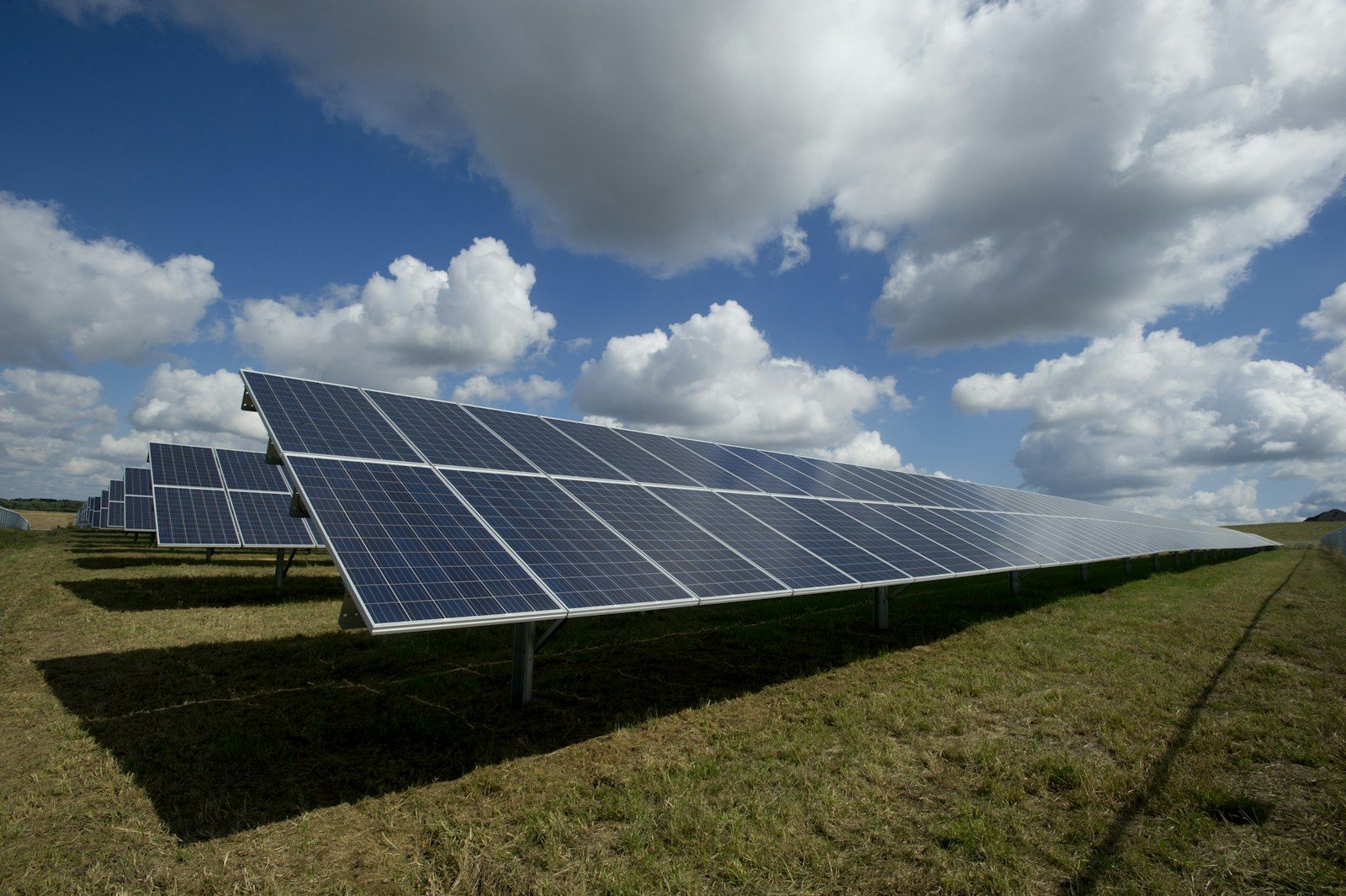 Sized from your bill

We check your roof, wiring and bill before we give a final price.
Grid-tie systems can apply for Meralco net metering. We handle the filing.
Your quote names the panel brand and its manufacturer warranty terms in writing.
We show you how to read your system’s output and stay reachable for questions.
The right type depends on when you use power and how much outages cost you.

Panels power your home first. Surplus can earn net-metering credit. It does not run during a brownout.
How grid-tie works →
Stores daytime solar for the evening and keeps chosen circuits running during outages.
How hybrid works →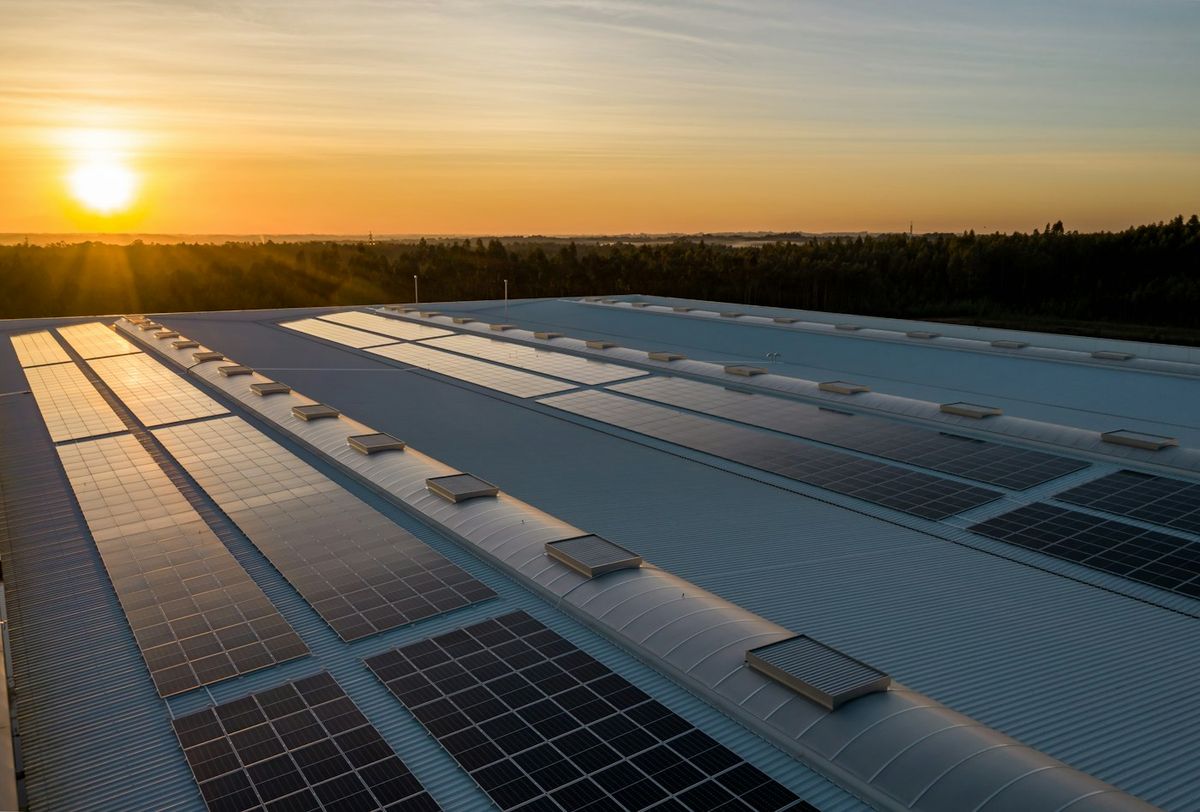
Shops, offices and small facilities whose heaviest loads run while the sun is up.
Commercial systems →Enter your monthly Meralco bill and when you use most of your power. You get a suggested system size, type and planning band.
Rough guide: under ₱6,000 a month suggests 3 kW; ₱6,000–14,000 suggests 5 kW; above ₱14,000 suggests 10 kW. Mostly night use points to hybrid (5 kW hybrid, or a 10 kW hybrid priced on survey). Your actual size depends on your kWh use, roof and survey.
Planning bands, not a contract — final price follows the site survey.
A starting system for lighter bills or limited roof space. No battery.
A common size for households with steady daytime use. No battery.
Panels plus battery storage, for backup during outages and evening use.
For larger homes, shops and small offices with heavy daytime loads.
Roof type, mounting, cable runs, battery size and equipment brand can all change the price. Your written quote names every item.
Comparing quotes? Use our printable quote checklist.
No price before a survey, and no surprises after it.
Send your latest Meralco bill. Your monthly use is the starting point for sizing.
We visit to check roof condition, orientation, shading, structure and your electrical panel.
Every component named by brand, model and size, with warranties, exclusions and a timeline.
Building and electrical permits, then the net-metering application with Meralco for grid-tie systems.
Installation, testing and a walk-through of how to read your system’s output.
5 kW · Grid-tie · Concrete roof deck
A household that uses most of its power in the daytime.
5 kW · Hybrid · Metal / GI roof
A small shop with chillers that cannot go off in a brownout.
10 kW · Grid-tie · Metal / GI roof
Weekday aircon and computers that run while the sun is up.
Sample layouts are illustrative examples of how we size systems. They are not real customer installations.
Based in Pasig, serving Metro Manila. Outside these cities, we take projects nationwide after a site survey.
No. With net metering, solar power you export to the grid is recorded by a two-way meter and shows up as a peso credit that reduces your Meralco bill. It is a bill credit, not a cash payout, and exported power is credited at a lower rate than the power you buy.
No. A grid-tie inverter shuts down when the grid goes down. This is called anti-islanding, and it protects line workers repairing the lines. If you need power during outages, you need a hybrid system with a battery.
Only if outages really matter to you, or most of your power use happens at night. A battery adds significant cost. If your goal is a lower bill and you use most of your power in the daytime, grid-tie usually makes more sense.
At minimum: the module brand and model, the inverter model, the array size in kW, the workmanship warranty and every exclusion. A price with no brand is not a quote.
It varies by site. Once the survey is done and equipment is ready, the installation itself typically takes days, not weeks. Permits and net-metering approval are separate steps that can take weeks to months, depending on your city and Meralco.
Your latest Meralco bill. It shows how much power you use each month, which is the starting point for sizing a system. A few months of bills is even better.
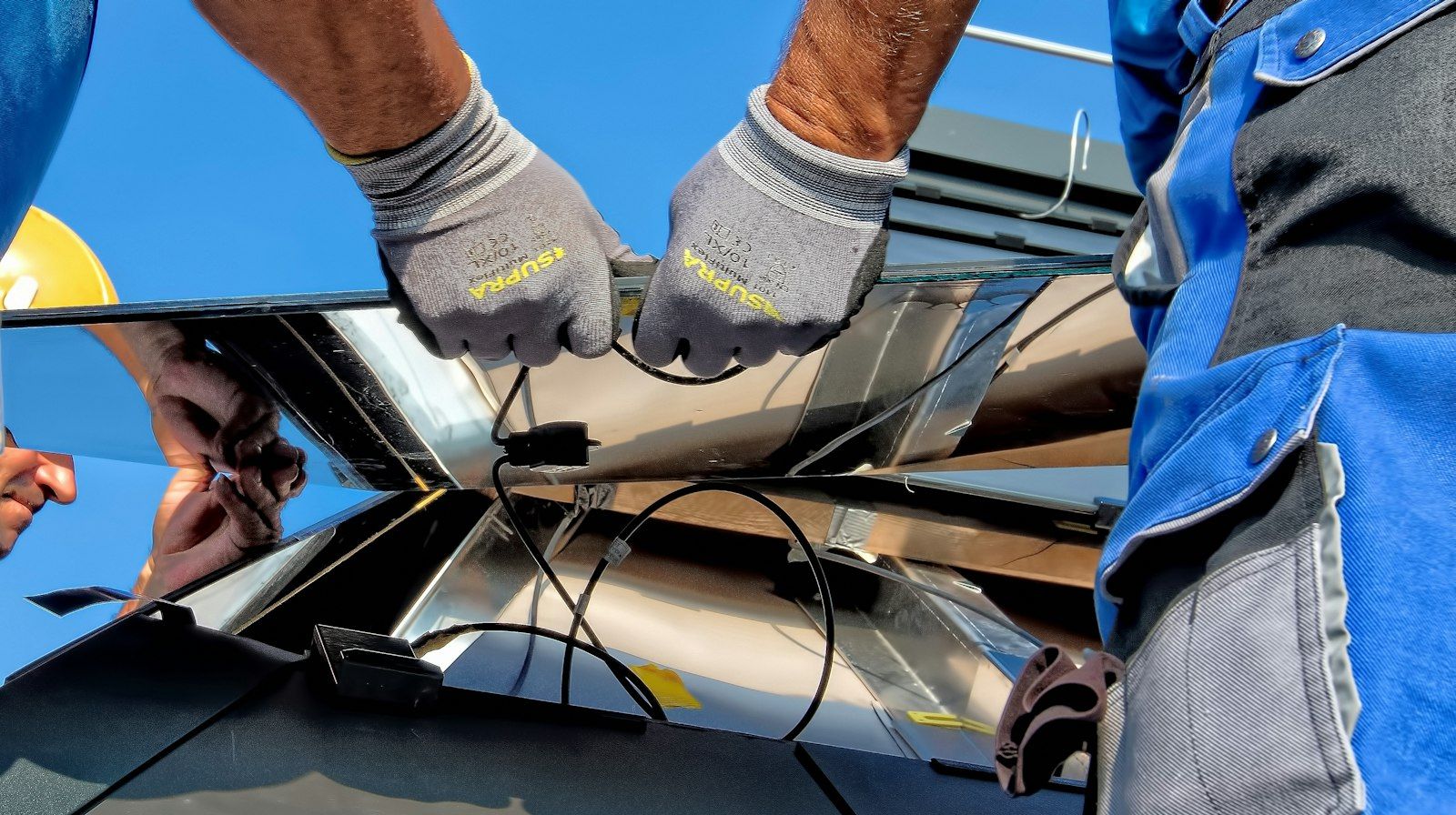
We use it to estimate the right system size, then book a site survey.